

Exotic Pet & Avian Services
Exotic pets and birds are unique and require unique veterinary care
Here at The Vet Lounge, we understand that our feathered, scaley and small mammal
friends are quite unique and require different care to dogs and cats. Most avian and
exotic pets have a special “preservation reflex” where they mask signs of sickness until
the illness is very advanced to avoid further injury or illness in the wild. Unfortunately,
this means that if our little avian and exotic friends are showing signs that they are
unwell, they are potentially already very ill and may require referral to a specialist for
hospitalisation to support them in their recovery.
At The Vet Lounge, we recommend all birds and exotic pets are health checked every
year so we can discuss with you diet, husbandry and keeping your pet healthy for years
to come.

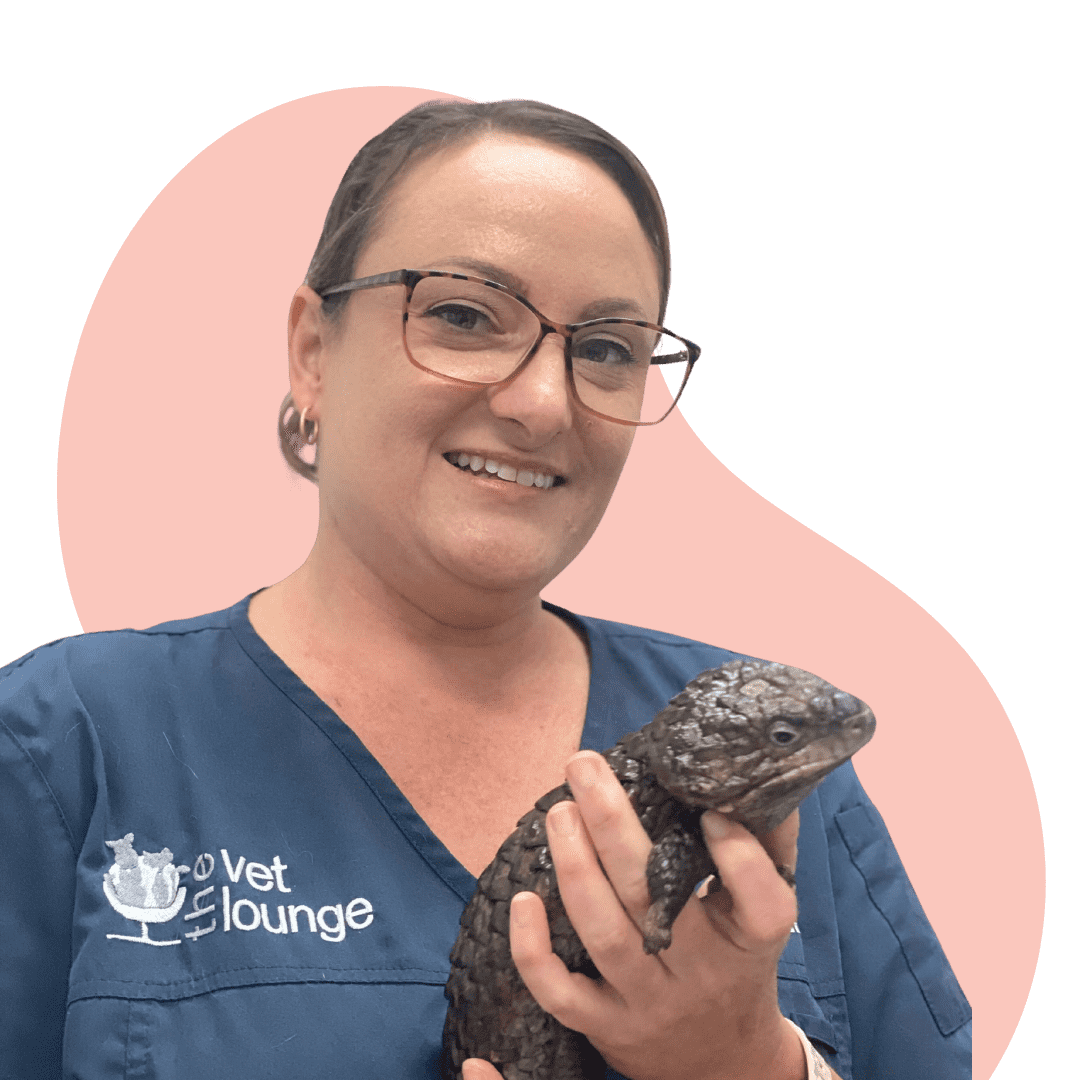
Dr Kerry
More about Dr Kerry...
Coomera & Ormeau
What sparked my love for exotic animals?
I grew up in rural Tasmania with a variety of exotic pets (plus, I’m an aunt to many furry dog/cat friends). Because I grew up with exotic pets, I witnessed first-hand the struggles of finding a veterinarian who would be willing and able to hear your concerns, educate and learn with you. Because of this, I have dedicated my life to your exotic pets.
I am currently a general practice (GP) veterinarian, with a goal to specialise in avian and exotic medicine. My goal is to develop expertise in these areas and share my knowledge with veterinarians across Australia, so together, we can enhance the care provided to exotics and wildlife.
Dr Kerry is available;
Coomera: Monday, Wednesday, Friday & Saturday (Sat is on rotation). P: (07) 5502 3333
Ormeau: Tuesday (07) 5549 2120
Dr Nicole
More about Dr Nicole...
Currumbin
Dr Nicole is passionate about providing comprehensive care for all our patients. While her primary focus is on cats and dogs, she is also happy to treat birds and reptiles at GP level (please note that Dr Nicole does not treat Turtles, Snakes or Rats). If your bird is quite unwell (fractures, fluffed up on the bottom of the cage, respiratory distress etc), we recommend an Avian Specialist as we do not have the facility to offer hospitalisation for birds & exotics. Please see our list of services to see if we can assist.
The Vet Lounge will always strive to be the practice you can count on for general services. Our reception team is here to guide you in finding the best veterinary care for your bird or exotic pet.
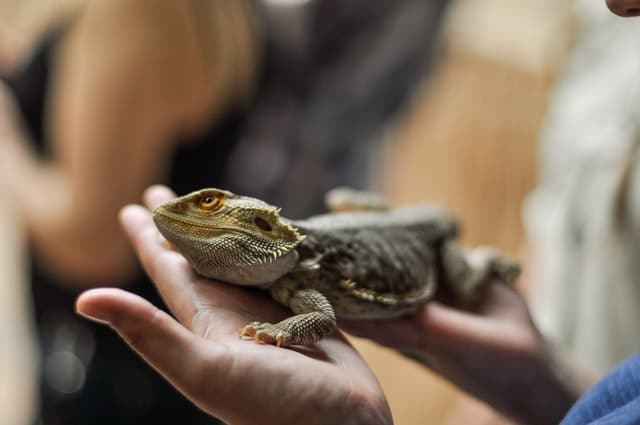
Remember, by the time your exotic pet or bird is showing signs of illness it is likely they are already very unwell. If you notice any signs of illness, please contact us to book a consultation.
Exotic Pet & Avian Services
- New pet health checks – Recommended to be done before introducing your new exotic pet or bird to ensure they are healthy and don’t pass on disease to existing pets.
- Psittacosis testing: psittacosis (avian chlamydia) is a disease of birds that can be passed on to humans. In birds it can show up as diarrhoea/respiratory disease and even sudden death. In humans it can cause respiratory disease which can be serious in young babies and the elderly.
- Relevant techniques to determine the sex of your bird or reptile (DNA Sexing is available for birds).
- Baseline blood work (Sent to external laboratory) – Recommend performing a blood test when your pet is young and healthy, then if they do become unwell, we have their “normal” values to refer back to.
- Advice on proper diet and husbandry requirements.
- Nail, wing and beak trimming.
- Behaviour consultations.
- Respiratory issues in rats
- Assessment / medical management of eggbound birds *no surgical management offered.
Surgical Services:
- Guinea pig and Rat Desexing (Ormeau & Coomera only)
- Lumpectomy / Lump removal in Rats / Guinea pigs
- Leg-band removal (Avian)
- Beak-Trimming for birds (General anaesthetic required)
- Microchip implantation (Avian)
When should I visit my GP and when should I see a Specialist?
Frequently Asked Questions
Can/Should I bring my chicken to the vet?
Absolutely! We love chickens at The Vet Lounge, they are incredibly tough little birds and you’d be amazed with what they can bounce back from.
Is there anything you can do for rat's and respiratory disease?
We have a whole hand-out dedicated to this very topic, there is more to managing respiratory diseases than doxycycline. Book in for a consultation and we will step you through the different options for your individual pet.
Should I trim my bird's wings to help tame them/stop them from flying away?
When birds are young, they are still gaining the ability to fly. If we trim their wings when they are young, this can damage their ability to fly for life and can predispose them to severe crash injuries and long-term feather damage / destructive behaviours. Because of this, we do not recommend wing trims to help tame your bird. There are also several types of wing trims that we can perform (traditional or skinny trims), however, it is important to note that with any wing trim your bird may still be able to escape your care.
Can I microchip my bird?
Yes, you certainly can, it is the best way to identify your bird should they get lost from your care. Most birds require a general anaesthetic to facilitate the placement of the microchip into their pectoral muscle – this is because the needle is very large, and we need to keep your pet still and safe during this procedure. Most birds recover very well and may go home with a few days of pain relief as part of their care.